
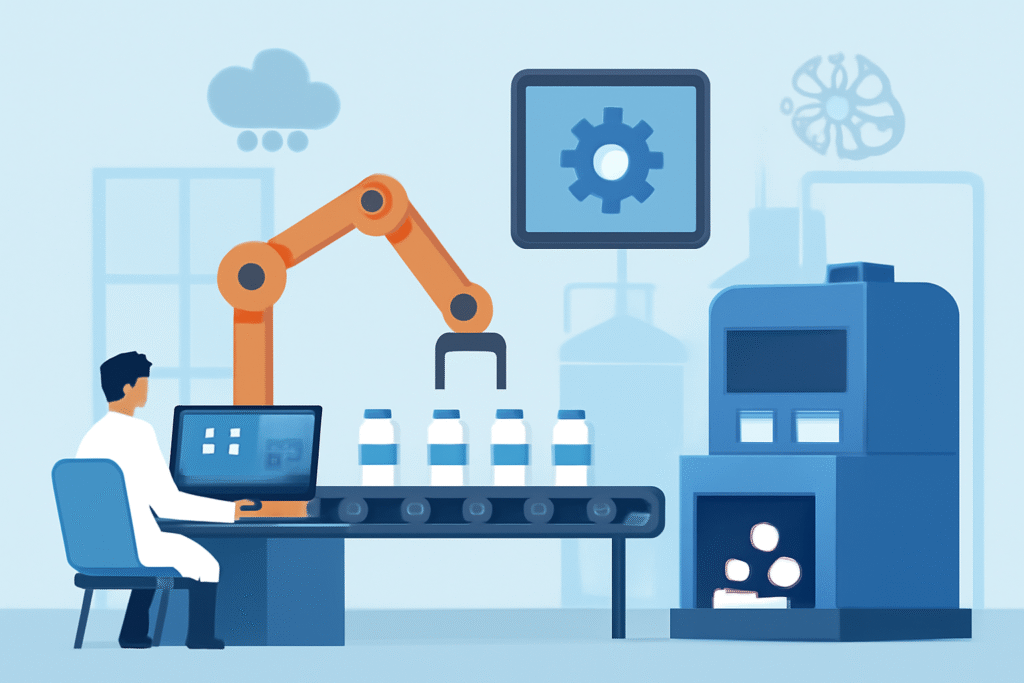
The pharmaceutical industry has long been at the forefront of innovation, particularly when it comes to ensuring that medications are safe, effective, and accessible. However, like all industries, the pharmaceutical sector faces constant pressure to improve efficiency, reduce costs, and meet increasingly stringent regulatory requirements. Enter smart manufacturing technologies — a game-changer that is revolutionizing pharmaceutical production by integrating IoT (Internet of Things) and AI (Artificial Intelligence) to streamline processes, enhance quality control, and improve overall productivity.
What is Smart Manufacturing?
At its core, smart manufacturing refers to the integration of digital technologies, advanced analytics, and interconnected systems that automate, optimize, and enhance manufacturing processes. In the context of the pharmaceutical industry, it’s about more than just upgrading machinery — it’s about creating a fully connected, automated production environment that uses real-time data, predictive algorithms, and intelligent systems to drive operational efficiency and product quality.
Smart manufacturing in pharmaceuticals involves the integration of systems such as robotics, IoT sensors, AI-driven predictive maintenance tools, and cloud-based analytics platforms to oversee and control every stage of the production process. From raw material handling to packaging, every step can be continuously monitored, measured, and improved.
IoT and AI Integration in Pharmaceutical Production
The marriage of IoT and AI technologies is what truly makes smart manufacturing so impactful in the pharmaceutical industry. Here’s how:
- Predictive Maintenance:
One of the biggest challenges in pharmaceutical production is machine downtime. Using IoT sensors, machines can continuously report data on their status — such as temperature, pressure, vibration, and more. AI algorithms can then analyze this data to predict when a piece of equipment is likely to fail, allowing maintenance teams to perform proactive repairs before any issues arise. This reduces unexpected downtime, which can be both costly and disruptive to the production process. - Energy Efficiency:
The pharmaceutical production process often requires significant energy input, especially in facilities that operate 24/7. With smart manufacturing, energy usage can be continuously monitored and optimized. For example, IoT sensors can detect energy wastage and AI can adjust the system in real-time to ensure that energy is being used efficiently, reducing both costs and the company’s environmental footprint. - Process Optimization:
AI and IoT work together to continuously monitor every aspect of the production line, from raw material input to the final product packaging. AI algorithms analyze this data in real time to identify inefficiencies, detect bottlenecks, and optimize workflows, ultimately speeding up production while maintaining the quality and safety of the products being produced.
Impact on Quality Control
In the pharmaceutical industry, quality control is non-negotiable. Even the smallest deviation in manufacturing can have significant consequences on product safety and efficacy. Smart manufacturing addresses this challenge head-on by using real-time monitoring and AI-powered quality control systems.
- Real-Time Quality Monitoring:
IoT sensors integrated into the production line can track critical quality parameters such as temperature, humidity, and pH levels. AI-driven systems analyze this data to immediately flag any issues and even adjust the system to correct them, all in real time. This level of automation reduces the likelihood of human error and ensures that the final product consistently meets the highest standards of quality. - Automated Inspections:
AI-powered visual inspection systems can identify defects, contamination, or inconsistencies in the product packaging, labeling, and even the medication itself. These systems can detect minute details that the human eye might miss, ensuring that only the highest-quality products make it to market. - Consistency Across Batches:
With smart manufacturing, every batch of pharmaceutical products is produced with the same level of precision, ensuring consistency across all production runs. This consistency is essential for meeting regulatory standards and maintaining the safety and efficacy of the drug.
Long-Term Benefits of Smart Manufacturing in Pharmaceuticals
The long-term benefits of adopting smart manufacturing technologies in the pharmaceutical industry go far beyond immediate efficiency gains. Here are some key advantages:
- Cost Reduction:
By improving energy efficiency, reducing downtime, and optimizing production processes, smart manufacturing can significantly lower operational costs. Predictive maintenance ensures that expensive equipment isn’t replaced prematurely, and automated systems reduce the need for labor-intensive manual checks and interventions, leading to labor cost savings. - Improved Operational Efficiency:
The integration of IoT sensors, AI, and cloud-based platforms enables pharmaceutical companies to have full visibility into their production lines at all times. This data-driven approach allows for continuous improvement in workflows, faster identification of inefficiencies, and the ability to make real-time adjustments, all of which drive greater operational efficiency. - Sustainability:
As the global focus on sustainability intensifies, smart manufacturing plays a critical role in reducing waste and minimizing the environmental impact of pharmaceutical production. Energy optimization, waste reduction, and more efficient use of resources contribute to a greener, more sustainable production process. Furthermore, by optimizing production, companies can reduce raw material waste, helping to minimize environmental damage from overproduction. - Faster Time-to-Market:
By streamlining the production process and ensuring that the manufacturing line is always running at its peak performance, smart manufacturing can help pharmaceutical companies bring new products to market faster. With predictive maintenance and real-time quality control, the chances of production delays are minimized, allowing for quicker and more efficient manufacturing of life-saving drugs.